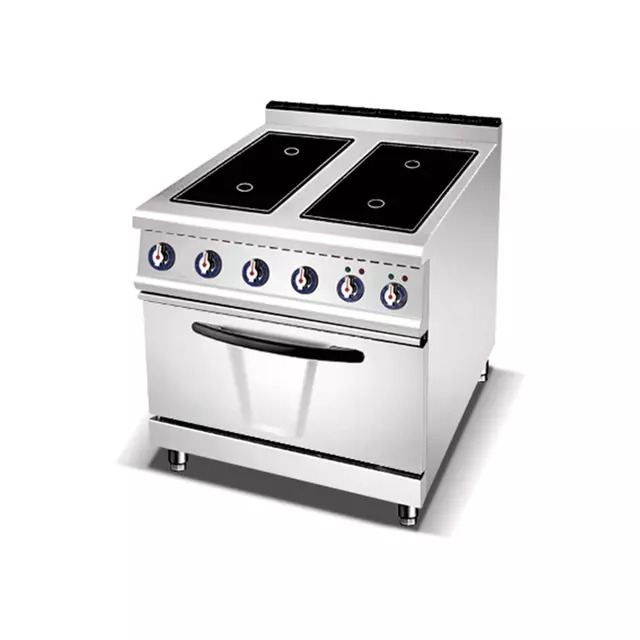
Introduction
Are you choosing the right Commercial & Restaurant Kitchen Equipment for your kitchen? Many kitchens struggle with poor layout and wrong tools. In this guide, we explore key equipment types and selection tips. You will learn how to improve efficiency, workflow, and long-term performance.
What Is Commercial & Restaurant Kitchen Equipment and Why It Matters
Definition of Commercial & Restaurant Kitchen Equipment
When we talk about Commercial & Restaurant Kitchen Equipment, we mean tools built for heavy, daily use. It is not the same as home appliances. These machines must handle long hours, high output, and constant cleaning. In a real kitchen, equipment is pushed hard every day, so durability is not optional—it is expected.
Commercial-grade equipment usually meets stricter standards. It is designed for safety, hygiene, and efficiency. Many units are made from stainless steel, which resists corrosion and is easy to clean. This matters in environments where food safety regulations are strict and inspections are routine.
To better understand the difference, here is a clear comparison:
| Feature | Commercial Kitchen Equipment | Residential Kitchen Equipment |
| Usage Frequency | Continuous, high-volume use | Occasional, low-volume use |
| Build Quality | Heavy-duty stainless steel | Lightweight materials |
| Capacity | Large batch processing | Small portions |
| Compliance | Meets food safety standards | Limited regulation |
| Lifespan | Long-term industrial use | Shorter lifespan |
Core Functions in a Commercial Kitchen Setup
A commercial kitchen is not just a collection of machines. It works as a system. Every piece of equipment supports a specific stage of food production. When these stages connect well, the kitchen runs smoothly. When they do not, delays and mistakes happen.
The workflow usually follows five key functions. Each one depends on the right equipment:
Preparation
This includes slicing, cutting, mixing, and portioning ingredients. Equipment like vegetable slicers or meat grinders speeds up this stage. It reduces manual labor and improves consistency.
Cooking
This is the core of the kitchen. It involves fryers, grills, ovens, and cooking groups. These machines must deliver stable heat and consistent results. They directly affect food quality.
Storage
Refrigerators, freezers, and cold rooms keep ingredients safe. They control temperature and extend shelf life. Without proper storage, food safety risks increase quickly.
Cleaning
Dishwashing systems and stainless steel work areas support hygiene. Easy-to-clean surfaces reduce contamination risks. Clean equipment also improves efficiency during service.
Service and Holding
Equipment like bain marie or food warmers keeps dishes ready to serve. It maintains temperature without overcooking. This is critical during peak hours.
In modern kitchens, integration is becoming more important. Instead of using isolated machines, many kitchens now prefer combined systems. For example, a commercial cooking group can include multiple cooking functions in one setup. It saves space and reduces unnecessary movement.
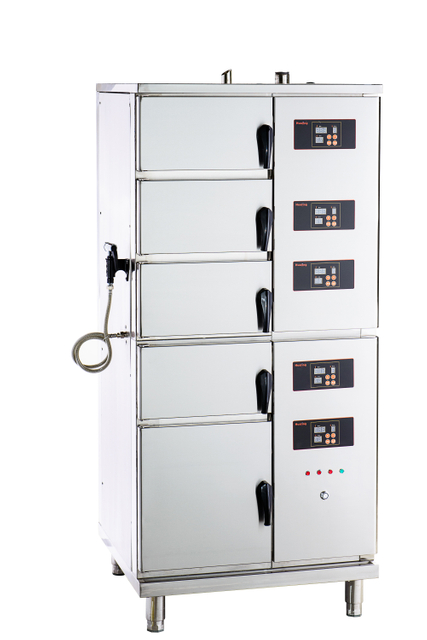
Essential Categories of Commercial & Restaurant Kitchen Equipment
Cooking Equipment for Commercial Kitchens
Cooking equipment sits at the center of every Commercial & Restaurant Kitchen Equipment setup. It drives output, controls food quality, and shapes how fast a kitchen can serve customers. In real operations, we rely on equipment that delivers stable heat, quick response, and consistent results across long service hours.
Many kitchens today move toward integrated systems. For example, a commercial cooking group combines multiple functions into one organized line. It reduces movement between stations and keeps workflow tight. Glead’s cooking lineup shows this clearly, offering options like griddles, ovens, pasta cookers, and grills designed to work together instead of separately.
When selecting cooking equipment, we usually focus on these core types:
Fryers, griddles, and grills
They handle high-demand menu items. Fryers manage batch frying during peak hours, while griddles and grills provide even heat for meats and fast-cook dishes. They must recover heat quickly after each use.
Ovens and steam cabinets
These support baking, roasting, and steaming tasks. Steam cabinets are useful for bulk cooking while maintaining moisture and food texture. Ovens offer versatility for different menu styles.
Specialty equipment
Items like teppanyaki grills, waffle makers, and pasta cookers support niche menus. They help restaurants expand offerings without slowing down the main cooking line.
Food Preparation Equipment
Before cooking even starts, preparation defines how smooth the kitchen runs. In a busy environment, manual prep slows everything down. That is why Commercial & Restaurant Kitchen Equipment always includes specialized prep machines. They reduce labor, improve consistency, and speed up production.
We usually see a mix of cutting, grinding, and mixing equipment. Glead’s product range reflects this, covering tools like meat grinders, cutters, and vegetable slicers designed for continuous use. These machines help standardize portions and reduce waste during preparation.
Common preparation tools include:
Meat grinders, cutters, and bone saws
They process large quantities of meat quickly. Consistent cuts improve cooking results and portion control. They also reduce manual handling time, which lowers labor costs.
Vegetable slicers and peelers
These machines speed up repetitive tasks. They ensure uniform slices, which helps cooking consistency. They also improve kitchen safety by reducing knife usage.
Mixers and blending equipment
Essential for sauces, dough, and batters. They save time and ensure even mixing. This becomes critical in high-volume kitchens.
Refrigeration & Storage Equipment
Storage plays a critical role in any Commercial & Restaurant Kitchen Equipment setup. Without proper refrigeration, even the best cooking equipment cannot maintain food quality. Temperature control directly affects safety, shelf life, and ingredient freshness.
Modern kitchens rely on a combination of storage solutions. These include refrigerated cabinets, freezers, and cold rooms for bulk storage. Blast chillers and refrigerated worktables add flexibility during preparation and service. Glead’s refrigeration lineup reflects these needs, offering solutions for both storage and operational convenience.
Here are the key equipment types and their roles:
Refrigerated cabinets and freezers
They store perishable ingredients safely. Freezers extend storage time, while refrigerators keep items ready for daily use.
Cold rooms and walk-in units
These support large-scale storage. They are essential for restaurants with high inventory turnover or central kitchens.
Blast chillers and refrigerated tables
Blast chillers rapidly reduce food temperature, which helps preserve quality. Refrigerated tables allow prep work while keeping ingredients cool.
Holding, Service & Support Equipment
Once food is cooked, the next challenge is keeping it ready for service. This is where holding and support equipment becomes essential in Commercial & Restaurant Kitchen Equipment planning. It helps maintain temperature, organize workflow, and improve service speed.
In many kitchens, we rely on equipment that keeps food warm without overcooking it. Glead offers solutions like bain marie units and food warmers designed for continuous service. These tools are especially useful in buffets, fast-service lines, and high-volume operations.
Key equipment categories include:
Bain marie and food warmers
They keep food at safe serving temperatures. This prevents quality loss during busy service periods. They also allow batch cooking without immediate serving pressure.
Warming cabinets and heat lamps
These maintain readiness for plated dishes. They help coordinate timing between kitchen and service staff.
Stainless steel support equipment
Tables, racks, carts, and trolleys improve organization. They create structured workspaces and support internal movement of ingredients and dishes.
How to Choose the Right Commercial & Restaurant Kitchen Equipment
Evaluate Your Kitchen Type and Menu Requirements
Before selecting any Commercial & Restaurant Kitchen Equipment, we need to understand how the kitchen will actually operate. It is not just about buying machines. It is about matching equipment to the menu, service style, and expected workload. If the menu focuses on fried food, then fryers and griddles become essential. If it leans toward baking or steaming, ovens and steam cabinets take priority.
Different kitchen types also change equipment needs. A fast food kitchen often requires compact, high-speed equipment. A full-service restaurant needs more versatility and multiple cooking stations. A central kitchen focuses on bulk processing and consistency across large volumes. Each setup requires a different balance of equipment.
Match equipment to cuisine and service style
We should align machines with menu items. A grill-heavy menu needs strong heat control. A bakery setup needs precise temperature equipment. This alignment improves efficiency and reduces unnecessary purchases.
Understand operational differences between kitchen types
Fast food kitchens prioritize speed and compact layouts. Full-service kitchens need flexibility and multiple cooking options. Central kitchens focus on high output and standardized production.
Plan capacity based on expected volume
We must estimate peak demand. Equipment should handle busy hours without slowing down. Undersized machines cause delays, while oversized ones waste space and energy.
Consider Kitchen Layout and Workflow Efficiency
A well-planned kitchen layout can improve efficiency more than adding extra equipment. When selecting Commercial & Restaurant Kitchen Equipment, we need to think about how staff move and how tasks flow. Poor layout leads to wasted steps, delays, and confusion during service.
Most commercial kitchens follow a zoning system. Each zone handles a specific stage of food production. These zones must connect smoothly so work can move forward without interruption.
Organize the kitchen into functional zones
We usually divide the kitchen into storage, preparation, cooking, cleaning, and service areas. Each zone should have the right equipment placed nearby. This reduces unnecessary movement.
Use space-saving and integrated equipment
Combined units, such as cooking groups, help reduce clutter. They bring multiple functions into one area. This is useful in smaller kitchens or high-density setups.
Reduce staff movement and improve flow
Equipment placement should follow the order of tasks. Ingredients move from storage to prep, then to cooking, and finally to service. When this flow is clear, efficiency increases naturally.
Key Technical Factors to Compare Before Buying
Once we define the kitchen type and layout, we need to compare technical details. These factors directly affect performance, durability, and long-term costs. Choosing the wrong specifications can lead to higher expenses later.
Power type: electric vs gas
Electric equipment offers stable temperature control and easier installation. Gas equipment heats faster and often reduces operating costs. The choice depends on local utilities and kitchen design.
Material quality and durability
Stainless steel is widely used because it resists corrosion and is easy to clean. High-quality materials extend equipment lifespan and reduce maintenance issues.
Energy efficiency and operating cost
Efficient equipment reduces electricity or gas usage over time. Even if the initial cost is higher, it often saves money in long-term operation.
Customization and Scalability Considerations
In many cases, standard equipment is not enough. Kitchens often have unique layouts or specific menu requirements. This is where customization becomes important in Commercial & Restaurant Kitchen Equipment selection.
Manufacturers like Glead provide flexible options. They support custom configurations, allowing buyers to adjust equipment size, layout, and functions. This is useful for projects such as restaurants, hotels, or central kitchens where standard solutions may not fit perfectly.
Use modular and integrated systems
Modular equipment allows us to build a kitchen step by step. Integrated systems combine functions and reduce space usage. Both options improve adaptability.
Consider OEM and custom configuration options
Custom solutions help match equipment to exact kitchen needs. This includes size adjustments, functional combinations, and branding requirements. It improves compatibility and workflow.
Plan for future expansion
We should not only think about current needs. As the business grows, equipment demand may increase. Choosing scalable systems makes future upgrades easier and more cost-effective.
Common Mistakes to Avoid When Buying Commercial Kitchen Equipment
Overbuying or Underestimating Equipment Needs
When choosing Commercial & Restaurant Kitchen Equipment, many buyers make the mistake of focusing only on current ideas, not real demand. Some kitchens end up buying too many machines. Others choose equipment that cannot handle peak hours. Both situations create problems during daily operations.
We often see kitchens filled with unused equipment. It takes up space and increases maintenance costs. At the same time, underestimating capacity can slow service and reduce customer satisfaction. The key is balance. Equipment should match actual workflow and expected volume, not guesswork.
Buying too many machines
It may seem safe to have extra equipment, but unused machines reduce efficiency. They take up valuable space and increase cleaning and maintenance work. Over time, they also add unnecessary costs.
Choosing equipment with insufficient capacity
When machines cannot handle peak demand, service slows down. Staff may need to work around limitations, which increases stress and reduces output. This becomes more noticeable during busy hours.
Ignoring peak-hour demand
Planning only for average volume is risky. Kitchens must be prepared for the busiest periods. Equipment should support continuous operation without performance drops.
Ignoring Maintenance and Cleaning Requirements
Another common issue is overlooking how easy equipment is to maintain. In a commercial kitchen, cleaning happens every day. If equipment is difficult to clean, it quickly becomes a problem. It affects hygiene, efficiency, and even compliance with food safety standards.
We should always consider how equipment will be cleaned and maintained over time. Smooth surfaces, simple structures, and accessible parts make a big difference. Equipment designed for easy cleaning helps reduce labor and improve safety.
Choosing equipment that is hard to clean
Complex designs trap grease and food residue. This increases cleaning time and raises hygiene risks. Staff may avoid thorough cleaning if it becomes too difficult.
Overlooking long-term maintenance needs
Equipment requires regular servicing. If parts are hard to access or replace, downtime increases. This affects daily operations and can lead to unexpected costs.
Ignoring hygiene and compliance risks
Poorly maintained equipment can fail inspections. It also increases the risk of contamination. Cleanability should always be part of the decision process.
Choosing Price Over Quality and Reliability
Price is always a factor, but focusing only on the lowest cost can lead to bigger problems later. In Commercial & Restaurant Kitchen Equipment, quality and reliability matter more over time. Cheap equipment often fails faster, which leads to repair costs and operational disruptions.
We should think beyond the initial purchase price. A slightly higher investment in durable equipment can reduce long-term expenses. Reliable machines also provide consistent performance, which is critical in a busy kitchen.
Short-term savings vs long-term costs
Low-cost equipment may seem attractive at first. However, frequent repairs and replacements increase total cost over time. It becomes more expensive in the long run.
Impact of equipment breakdowns
When a key machine stops working, the entire kitchen is affected. Service delays, wasted ingredients, and customer dissatisfaction can follow. Reliability is essential for stable operations.
Inconsistent performance issues
Lower-quality equipment may not deliver consistent results. This affects food quality and can damage the restaurant’s reputation.
Not Planning for Full Kitchen Integration
A commercial kitchen should work as a system, not as a collection of separate machines. One of the biggest mistakes is buying equipment individually without considering how everything fits together. This leads to inefficiency and workflow problems.
We need to think about how equipment interacts. Preparation, cooking, storage, and service must connect smoothly. Integrated planning helps reduce unnecessary movement and improves coordination between staff.
Buying equipment without system planning
When machines are selected independently, they may not fit the workflow. This creates bottlenecks and slows down operations.
Lack of compatibility between equipment units
Different machines may not align in size, function, or layout. This makes installation difficult and reduces efficiency during use.
Ignoring workflow connections between stations
Equipment should follow the natural flow of tasks. From storage to preparation to cooking and service, each step should connect smoothly. Without this, staff movement increases and productivity drops.
Conclusion
Choosing the right Commercial & Restaurant Kitchen Equipment improves workflow, safety, and efficiency. Glead offers integrated solutions, durable stainless steel designs, and flexible configurations. Their equipment supports reliable performance, helping kitchens operate smoothly and handle growing demand.
FAQ
Q: What is Commercial & Restaurant Kitchen Equipment?
A: It refers to durable tools used in professional kitchens for cooking, prep, and storage.
Q: How to choose Commercial & Restaurant Kitchen Equipment?
A: Match equipment to menu, kitchen size, and expected service volume.
Q: Why is Commercial & Restaurant Kitchen Equipment important?
A: It improves efficiency, food quality, and kitchen workflow consistency.
Q: How much does Commercial & Restaurant Kitchen Equipment cost?
A: Costs vary by size, type, and quality, depending on kitchen needs.
Q: What should I check before buying Commercial & Restaurant Kitchen Equipment?
A: Check capacity, material, energy use, and layout compatibility.


