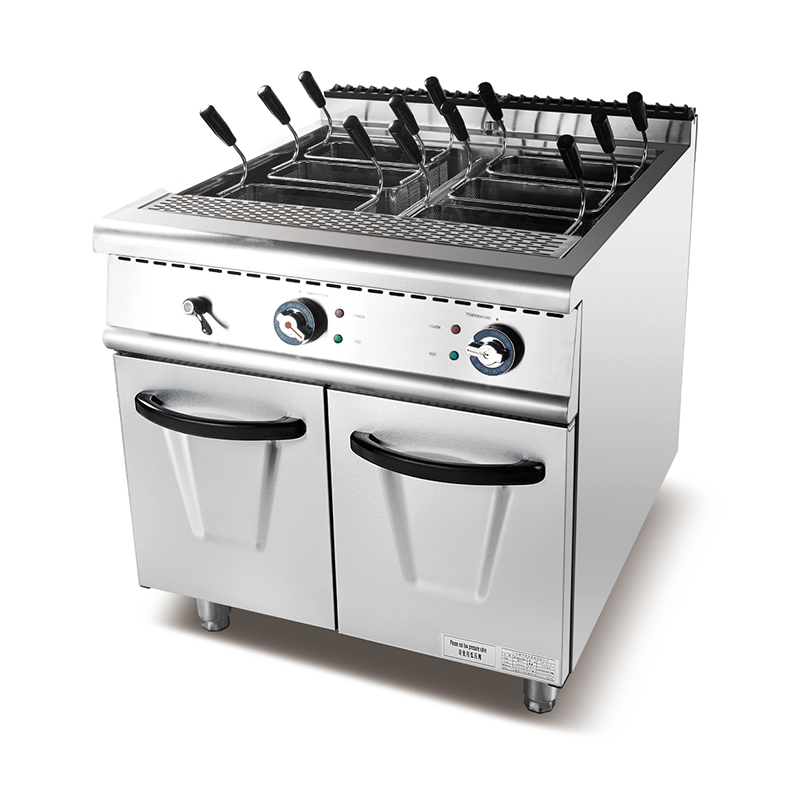
Profit margins in quick service restaurants rely entirely on speed, consistency, and volume. Equipment failure or inefficiency introduces a severe business risk that operators cannot afford. Balancing upfront capital expenditures with the need for high-durability, commercial-grade machinery presents a constant challenge. You need units that withstand continuous, high-volume use without bottlenecking the kitchen workflow during peak rushes. Building a comprehensive fast food kitchen equipment list requires a systematic approach. By focusing on workflow optimization, energy efficiency, and strict health code compliance, operators can design a scalable, highly profitable kitchen layout.
Workflow Dictates Purchasing: Equipment selection must align with the "kitchen triangle" and specific menu requirements to eliminate unnecessary steps and reduce service times.
Compliance is Non-Negotiable: All selected restaurant equipment must meet local health, fire, and safety codes (e.g., NSF, UL, OSHA certifications) to avoid operational shutdowns.
Strategic Allocation of Capital: Prioritize new, high-quality purchases for core cooking and refrigeration units, while considering refurbished options for static items like prep tables and shelving.
Table of Contents
Toggle
Key Factors When Choosing Restaurant Equipment
High-volume restaurant equipment should be evaluated beyond basic functions, focusing on production capacity, heat recovery speed, space efficiency, and workflow optimization. Proper equipment placement reduces unnecessary movement, improves service speed, and lowers labor costs. Certified equipment with NSF and UL approvals ensures food safety and operational compliance. When selecting equipment, also consider long-term costs, including energy consumption, maintenance support, spare parts availability, and overall reliability.
Food Preparation Equipment: Speed and Consistency
Quick service kitchens require efficient preparation equipment to maintain speed and consistency. Automated processors, choppers, and slicers reduce labor while improving portion accuracy, with durable motors and blades ensuring reliable performance. Mixers should match the menu needs, with planetary mixers suitable for various tasks and spiral mixers ideal for heavy dough production. Stainless steel prep tables and sinks provide a durable foundation, and choosing the right steel thickness helps ensure long-term performance in busy commercial kitchens.
Steel Gauge
Thickness Level
Best Kitchen Application
Durability Profile
14-Gauge
Heavy-Duty (Thickest)
Butcher stations, heavy equipment stands
Highly resistant to dents and warping under extreme impact.
16-Gauge
Standard Commercial
General prep tables, assembly lines
Excellent balance of durability and weight for daily use.
18-Gauge
Light-Duty (Thinnest)
Dry storage, light sandwich prep
Prone to denting if subjected to heavy pounding or heavy machinery.
Essential smallwares and hand tools enforce quality control at the micro-level. Commercial-grade pots, pans, and color-coded cutting boards prevent cross-contamination between raw proteins and ready-to-eat vegetables. Portion scoops and calibrated squeeze bottles ensure exact ingredient distribution. This precision minimizes food waste, standardizes the flavor profile across all locations, and protects the profit margin on every single menu item sold.
Essential Cooking Equipment for Quick Service Restaurants
Commercial deep fryers handle the heaviest workload in most quick service concepts. Operators must choose between gas and electric models based on utility availability and recovery speed. Gas fryers typically offer faster heat recovery, making them ideal for high-volume continuous cooking. Tube-type fryers excel at cooking heavily breaded items because the sediment falls into a cold zone, extending oil life. Open-pot fryers are easier to clean and better suited for lightly breaded products like french fries. Flat-bottom fryers accommodate specialty items like funnel cakes or tempura that float during the cooking process. Oil capacity and BTU recovery times directly dictate how much product you can output during a peak lunch rush when utilizing fast food restaurant equipment.
Griddles, charbroilers, and flat-top grills require strong heat retention to maintain consistent cooking performance during peak hours. Thicker cooking plates help prevent temperature drops, while thermostatic controls provide better temperature management across different cooking zones. High-speed ovens and conveyor ovens improve service speed by reducing cooking times and supporting continuous production. Proper ventilation systems are also essential, requiring correct hood sizing, exhaust airflow, and make-up air planning to effectively remove smoke, grease, and excess heat while maintaining a safe kitchen environment.
Commercial Refrigeration and Food Storage Solutions
Commercial refrigeration systems are essential for protecting inventory and maintaining food quality. Walk-in units provide bulk storage, while reach-in and prep coolers keep frequently used ingredients accessible during service. Consider compressor placement, cooling methods, and storage conditions when selecting refrigeration equipment. Proper shelving solutions, such as epoxy-coated racks for humid areas, help maximize storage space, improve organization, and support food safety practices like FIFO inventory rotation.
Food Holding Equipment for Consistent Quality
Food holding equipment helps maintain quality and safety between cooking and service. Heated holding cabinets and proofers keep food at safe temperatures while humidity control helps prevent products from drying out or losing texture. Heat lamps and warming stations support fast service by keeping fried foods and prepared items hot without overcooking. Properly designed holding and packaging areas improve efficiency during busy service periods.
Front-of-House and Customer Service Equipment
POS and Kitchen Display Systems
Point of Sale (POS) and Kitchen Display Systems (KDS) connect customer orders with kitchen operations. Modern systems support cloud management, multi-location control, and real-time order tracking.
API integrations allow delivery orders to enter the kitchen system automatically, reducing manual input errors. Durable touchscreens and order terminals should withstand grease, moisture, and daily impacts. Offline functions also ensure continuous operation during network interruptions.
Takeout and Delivery Order Stations
Dedicated pickup and delivery stations improve order flow during busy periods. Heated staging shelves help maintain food quality while orders wait for drivers.
Insulated delivery bags and organized packaging stations allow staff to prepare orders faster and more accurately. A separate pickup area prevents delivery drivers from disrupting dine-in customers.
Beverage Dispensers and Ice Machines
Beverage equipment plays an important role in generating additional revenue. Ice machine capacity should match daily customer volume and beverage demand.
Air-cooled ice machines are easier to install but release heat into the kitchen environment. Water-cooled models operate more quietly and efficiently but require higher water consumption. Choose the right system based on local conditions and utility costs.
Drive-Thru Communication Systems
Drive-thru systems directly affect order accuracy and service speed. Noise-canceling headsets improve communication by reducing background noise.
Service timers and performance tracking tools help managers identify delays and optimize drive-thru operations during peak hours.
Restaurant Cleaning Equipment and Food Safety
Commercial Dishwashers
Commercial dishwashers ensure a continuous supply of clean trays, utensils, and preparation tools.
High-temperature dishwashers use heat sanitization with final rinse temperatures around 180°F, providing fast drying but higher energy consumption. Low-temperature models use chemical sanitizers, reducing energy use but requiring additional chemical management and longer drying times.
The right choice depends on kitchen volume, available utilities, and ventilation capacity.
Three-Compartment Sinks and Grease Management
Three-compartment sinks support manual washing, rinsing, and sanitizing of large cookware and equipment.
Grease interceptors prevent fats, oils, and grease (FOG) from entering drainage systems. Proper sizing and regular maintenance help avoid plumbing problems, fines, and operational interruptions.
Food Safety and Employee Protection
Food safety equipment reduces daily operational risks. Digital thermometers help verify cooking and holding temperatures to maintain food safety standards.
Cut-resistant gloves protect preparation staff, while anti-fatigue mats improve comfort and reduce workplace strain. Fully stocked first-aid kits ensure quick response to minor injuries.
Budgeting and Procurement Strategies
Prioritize Essential Equipment Investment
A new restaurant requires careful equipment budgeting. Focus investment on core revenue-generating equipment first, including fryers, grills, refrigeration systems, and POS solutions.
Secondary items such as storage racks and basic prep equipment can be added after the main production system is secured.
New vs. Used Restaurant Equipment
Choosing between new and used equipment affects long-term maintenance costs.
New equipment is recommended for critical systems such as cooking equipment, refrigeration, and ice machines because it provides warranty protection and reduces failure risks.
Used equipment can be a practical option for non-mechanical items, including stainless steel tables, sinks, and storage shelving.
Equipment Leasing and Financing Options
Leasing and financing provide different approaches to managing equipment costs.
Financing allows businesses to gradually own equipment, while equipment-as-a-service programs combine equipment use with maintenance support through predictable monthly payments.
These options can help reduce upfront investment pressure and improve cash flow management.
Warranty and Maintenance Support
Strong warranty coverage protects your equipment investment. Review parts and labor coverage carefully before purchase.
Regular maintenance agreements with qualified technicians help extend equipment lifespan, reduce unexpected downtime, and keep critical systems such as refrigeration, fryers, and ventilation operating efficiently.
Conclusion
Finalize your exact menu specifications and map out the physical kitchen footprint to determine spatial constraints.
Consult with a licensed commercial kitchen designer to verify that your workflow and ventilation plans meet all local building codes.
Request itemized quotes from reputable suppliers for your primary cooking and refrigeration units to lock in lead times.
Schedule site inspections with local health and fire departments before finalizing any permanent equipment installation.
FAQ
Q: How much space do I need for a commercial hood system?
A: A commercial hood system must extend a minimum of 6 inches beyond the edges of your cooking equipment battery on all open sides. You must also account for the vertical clearance required by local fire codes, typically maintaining specific distances between the grease filters and the cooking surface.
Q: What is the most critical piece of equipment in a quick service restaurant?
A: The primary cooking apparatus dictates your operational flow. For a burger concept, it is the flat-top grill; for a chicken concept, it is the fryer battery. Additionally, a robust POS and KDS network is vital for routing orders efficiently and maintaining speed of service during peak rushes.
Q: Should I buy new or used restaurant equipment?
A: Purchasing new units is highly recommended for primary cooking and refrigeration systems to secure warranties and avoid inherited maintenance issues. Used or refurbished options are practical for static, non-mechanical items like stainless steel prep tables, three-compartment sinks, and dry storage shelving.
Q: How do I choose the right commercial hood system?
A: Selecting the correct hood system requires analyzing your cooking equipment's output. A Type 1 hood is mandatory for any equipment producing grease or smoke. You must properly size the exhaust fan CFM and the make-up air unit to ensure fire code compliance and maintain balanced kitchen air pressure.
Q: What is the difference between cold-wall and forced-air prep coolers?
A: Forced-air coolers circulate chilled air throughout the cabinet, which cools products quickly but can dry out uncovered ingredients. Cold-wall technology chills the actual pan rails, maintaining safe holding temperatures without blowing air directly onto the food, preserving moisture and quality during continuous service.
Q: Do I need a water filter for my commercial ice machine?
A: Yes. Installing a commercial-grade water filtration system prevents scale buildup on the evaporator plates and internal components. Unfiltered water leads to frequent mechanical breakdowns, cloudy ice, and voided manufacturer warranties. Regularly changing the filter cartridge is a mandatory maintenance step.
Today,we are proud to offer over 5,000 types of food machinery, including kitchen equipment, bakery equipment, and hospitality products. We are particularly prominent in the field of refrigeration, such as flast freezers, coolers, ice makers, etc. We often provide quality engineered equipment for restaurants, bakeries, schools, hotels, companies and other projects, and have received rave reviews from our customers.
CONTACT US
+86-137-2686-2678
+86-137-6077-3620
ivy@cnglead.com.cn Buliding 101, No.44 Fuxing Road, Shawan Street, PanYu District, Guangzhou City, Guangdong Province, China