Introduction
Is your kitchen too small for smooth service? Many struggle to fit tools and workflow in tight spaces. Small Restaurant Kitchen Solutions can fix this problem. In this article, you will learn how to save space, improve layout, and work more efficiently.
Smart Layout Planning for Small Restaurant Kitchen Solutions
What Is the Best Layout for a Small Restaurant Kitchen?
When planning Small Restaurant Kitchen Solutions, layout becomes the first decision, not the last. A small kitchen does not forgive poor structure. If equipment placement feels random, staff will move more, bump into each other, and lose time during service. A good layout keeps everything flowing in one clear direction, which helps maintain speed and consistency.
There are three common layouts used in compact restaurant kitchens. Each one works differently depending on menu style and team size, so it is important to understand how they function in real situations.
Assembly Line Layout
This layout arranges stations in a straight sequence, moving from prep to cooking to plating. It works best for kitchens focused on speed and repeatable dishes, such as fast casual or takeaway concepts. Staff follow a clear path, so they do not cross each other’s movement. It also makes training easier because the workflow is simple and predictable.
Zone-Style Layout
This layout divides the kitchen into dedicated areas, such as prep, cooking, and cleaning. It supports kitchens that prepare a wider variety of dishes. Each staff member can focus on one zone, which improves specialization. However, if the space is too small, it may create unnecessary movement between zones.
Island Layout
This layout places cooking equipment in the center, allowing staff to work around it. It improves visibility and communication, which can be useful in team-based kitchens. Still, it requires more space to function properly, so it is less common in compact restaurant setups.
| Layout Type | Workflow Style | Space Efficiency | Best Fit Scenario |
| Assembly Line | Linear, one direction | High | Fast service, simple menus |
| Zone-Style | Divided work areas | Medium | Complex menus, multiple tasks |
| Island Layout | Centralized cooking | Low-Medium | Larger small kitchens |
How to Design Workflow Efficiency in Limited Space
Once the layout is chosen, the next step is improving how people move inside it. Workflow efficiency is not only about equipment placement. It is about how quickly staff can complete tasks without interruption. In a small kitchen, even a few extra steps can slow down the entire operation.
To improve workflow, it helps to think in terms of movement patterns rather than just zones. The goal is to keep everything close, connected, and easy to access.
Reduce unnecessary staff movement
Equipment and tools should be placed based on how often they are used. Frequently used items need to stay within arm’s reach, not across the kitchen. Prep areas should sit close to cooking stations, so staff do not waste time walking back and forth. When movement is reduced, service becomes faster and less stressful.
Position stations in logical order
The kitchen should follow a natural sequence, starting from storage, moving to prep, then cooking, and finally plating or service. If this order is broken, staff will need to move in reverse directions, which creates confusion. A logical setup keeps everything flowing forward, making the kitchen easier to manage during busy periods.
Keep pathways clear and organized
Staff should have clear movement paths, especially between hot and cold areas. Narrow or blocked pathways can slow down work and increase the risk of accidents. Storage and equipment should never block access points. A clean path allows smooth transitions between tasks and improves overall efficiency.
A useful way to visualize this is to think of the kitchen as a continuous process rather than separate sections. Each step connects directly to the next, forming a smooth chain of actions.
| Kitchen Stage | Recommended Placement Strategy | Efficiency Impact |
| Storage | Near prep area | Faster ingredient access |
| Preparation | Between storage and cooking | Reduces handling time |
| Cooking | Central or linear arrangement | Keeps workflow continuous |
| Service | Close to final cooking station | Speeds up order delivery |
Space-Saving Equipment Choices for Small Restaurant Kitchens
Why Multi-Function Equipment Is Essential
When space is limited, every piece of equipment must deliver more value. This is why Small Restaurant Kitchen Solutions often focus on multi-function equipment rather than single-purpose machines. It allows kitchens to reduce the number of units while still maintaining full cooking capability. As a result, the workspace becomes more organized, and staff can move less during busy service periods.
Multi-function equipment combines several cooking tasks into one station, which helps save both space and time. Instead of spreading equipment across the kitchen, it centralizes operations into compact zones. This approach improves workflow and reduces clutter, especially in high-pressure environments.
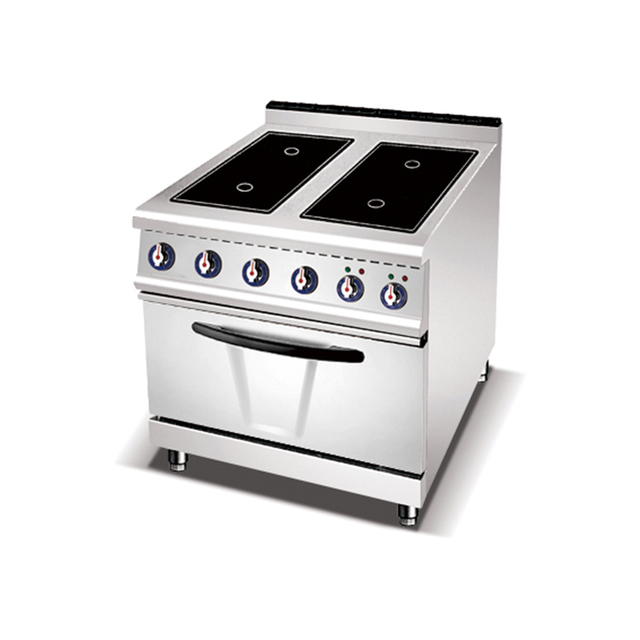
Cooktop + Oven Units
These units allow chefs to perform stovetop cooking and baking within the same footprint, which reduces the need for separate appliances. It helps streamline cooking tasks, since staff do not need to move between different stations. In small kitchens, this setup improves efficiency by keeping related tasks close together.
Griddle + Cabinet Base
A griddle combined with a cabinet base provides both cooking and storage in one unit, making better use of vertical space. Tools, utensils, and ingredients can be stored directly below the cooking surface, which keeps everything within reach. This setup reduces the need for extra storage furniture and helps maintain a cleaner workspace.
Pasta Cooker + Storage Cabinet
This type of equipment integrates boiling functions and storage capacity, which is especially useful for kitchens with specific menu requirements. It allows operators to maintain a dedicated cooking station without adding additional clutter. By combining functions, it supports both efficiency and organization.
| Equipment Type | Combined Functions | Space-Saving Advantage |
| Hot Plate + Oven | Cooking + baking | Fewer standalone machines |
| Griddle + Cabinet | Cooking + storage | Uses vertical space effectively |
| Pasta Cooker + Cabinet | Boiling + storage | Keeps station compact |
| Combination Oven | Multi-cooking modes | Replaces multiple appliances |
How to Choose the Right Cooking Equipment for Small Spaces
Selecting the right equipment is not about filling the kitchen with more tools. It is about choosing equipment that directly supports the menu and daily operations. In small kitchens, every item should justify its space by contributing to efficiency and productivity.
A practical way to approach this is to align equipment choices with menu priorities and workflow patterns. This ensures that the kitchen remains functional without becoming overcrowded.
Focus on High-Frequency Menu Items
Equipment should be selected based on what the kitchen produces most often, rather than occasional dishes. This helps ensure that every unit is actively used during service, which maximizes its value. By prioritizing frequently used cooking methods, the kitchen can remain efficient and avoid unnecessary equipment.
Avoid Single-Purpose Machines
Equipment designed for only one function often occupies space without delivering consistent value. In small kitchens, this can lead to inefficiencies and clutter. Choosing versatile equipment allows operators to adapt to different cooking needs without increasing the number of machines.
Consider Workflow Integration
Equipment should fit naturally into the cooking process, supporting a smooth transition from prep to cooking to service. Poor placement or mismatched equipment can disrupt workflow and slow down operations. A well-integrated setup helps staff work more efficiently within a limited area.
Countertop vs Floor Equipment: Which Saves More Space?
Deciding between countertop and floor equipment depends on how the kitchen uses its space. Both options have advantages, but the key is understanding how they fit into the overall layout and workflow.
Countertop equipment is often preferred in smaller kitchens because it keeps the floor area open. This creates more room for movement and reduces congestion, which is critical during peak hours.
Countertop Equipment Advantages
Countertop units are compact and flexible, making them ideal for kitchens that need to adapt quickly to different tasks. They can be placed on existing surfaces, which reduces the need for additional installation space. This flexibility allows operators to reorganize the kitchen layout as needed without major changes.
Floor equipment, however, provides stability and often includes built-in storage. It is better suited for operations that require consistent output and higher capacity.
Floor Equipment Advantages
Floor units are more durable and can handle heavier workloads, which makes them suitable for high-volume kitchens. Many of them include storage compartments, which helps maximize vertical space. This combination of strength and functionality makes them a reliable choice for core cooking stations.
Custom Kitchen Equipment Solutions for Tight Layouts
Every small restaurant kitchen has unique challenges. Standard equipment sizes do not always fit perfectly, which can lead to wasted space or inefficient layouts. Custom solutions help address these issues by adapting equipment to the actual dimensions and workflow of the kitchen.
Customization focuses on making better use of available space while improving operational flow. It allows kitchens to function more effectively without expanding their footprint.
Tailoring Equipment Size and Configuration
Custom equipment can be designed to fit narrow or irregular spaces, which helps eliminate unused gaps. This improves the overall layout and ensures that every part of the kitchen is utilized effectively. It also allows better alignment between different pieces of equipment.
Adapting to Workflow Needs
Equipment can be arranged based on how tasks are performed in the kitchen, rather than following standard configurations. This reduces unnecessary movement and improves efficiency during service. A well-designed setup allows staff to complete multiple tasks within a smaller area.
Maximizing Unique Kitchen Dimensions
Some kitchens have structural limitations, such as low ceilings or limited ventilation areas. Custom equipment helps work around these constraints by adjusting size, shape, or function. This ensures that the kitchen remains practical and efficient despite its limitations.
Storage Optimization Strategies in Small Restaurant Kitchen Solutions
How to Maximize Vertical Storage Space
In compact kitchens, the biggest mistake is ignoring vertical space. Many operators focus only on floor layout, but walls offer a large amount of unused storage potential. In Small Restaurant Kitchen Solutions, using vertical space helps free up work areas and keeps the kitchen less crowded.
Vertical storage allows staff to keep essential tools close without blocking movement. It also helps maintain a cleaner workspace, which is important during busy service hours. When surfaces are clear, it becomes easier to prep, cook, and plate efficiently.
Wall-mounted shelves and racks
These systems allow ingredients, containers, and tools to be stored above workstations, which keeps everything visible and easy to reach. It reduces the need to walk to storage areas, saving time during service. When placed correctly, they improve workflow by keeping frequently used items within arm’s reach.
Hanging systems and hooks
Hanging utensils, pans, and small tools helps reduce drawer clutter and keeps items organized. It also makes cleaning easier because surfaces remain open. In tight kitchens, this method allows operators to use vertical height instead of expanding sideways.
Keeping work surfaces clear
A clean countertop improves both speed and safety. When tools and ingredients are stored vertically, the workspace remains open for food preparation. This helps staff work faster and reduces the chance of errors during peak hours.
| Storage Method | Placement Area | Key Benefit |
| Wall Shelves | Above prep stations | Quick access to ingredients |
| Hanging Hooks | Near cooking areas | Keeps tools organized and visible |
| Overhead Racks | Above equipment | Saves counter space |
| Magnetic Strips | Wall-mounted | Easy access to metal utensils |
Using Under-Counter and Built-In Storage Effectively
While vertical space is important, under-counter storage is just as valuable. It allows kitchens to use the space below equipment, which often goes unused. In Small Restaurant Kitchen Solutions, combining cooking and storage into one unit helps reduce clutter and improve organization.
Built-in storage works best when it is integrated directly into cooking stations. This setup keeps everything close, which reduces unnecessary movement and improves efficiency.
Equipment with cabinets or drawers
Units like griddles or cookers that include cabinets allow operators to store tools, pans, or ingredients directly below the cooking surface. This reduces the need for separate storage furniture. It also keeps the kitchen layout more compact and organized.
Using under-counter drawers for quick access
Drawers provide a structured way to store smaller tools and frequently used items. When organized properly, they allow staff to find what they need quickly. This reduces delays during service and helps maintain a smooth workflow.
Integrating storage into cooking stations
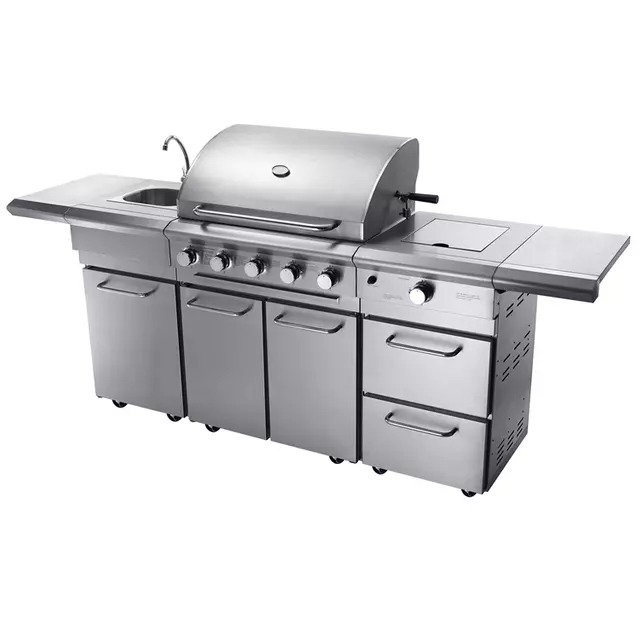
Instead of placing storage separately, combining it with cooking equipment creates a more efficient layout. Glead’s cooking group systems follow this idea by offering equipment that includes both cooking functions and storage space. It allows operators to keep everything within reach while maintaining a clean and structured kitchen.
Organizing Tools and Ingredients for Efficiency
Even with good storage systems, organization is what makes them effective. Without proper structure, storage areas can quickly become cluttered, especially during busy hours. In small kitchens, organization must be simple, clear, and easy to maintain.
A well-organized kitchen allows staff to work faster and reduces mistakes. It also helps maintain consistency, which is important for both food quality and service speed.
Labeling and zoning systems
Clear labels help staff identify ingredients and tools quickly, which reduces confusion. Zoning divides the kitchen into specific areas for prep, cooking, and storage, making it easier to locate items. When everything has a defined place, the kitchen becomes easier to manage.
Quick-access storage for high-use items
Frequently used ingredients and tools should be stored in the most accessible locations. This reduces the need to search or move around during service. It also helps maintain a steady workflow, especially during peak periods.
Reducing clutter during peak hours
Keeping only essential items in active work areas prevents overcrowding. Extra tools and ingredients should be stored away from the main workflow. This creates a cleaner and more efficient environment, allowing staff to focus on cooking rather than managing space.
A practical way to think about organization is to treat the kitchen like a system. Each item has a place, and each movement has a purpose. When storage and organization work together, even a small kitchen can feel efficient and controlled.
Improving Efficiency and Productivity in Small Restaurant Kitchens
How to Streamline Kitchen Operations in Limited Space
In small kitchens, efficiency starts from consistency. When processes are not standardized, staff tend to work differently each time, which slows down service and creates confusion. In effective Small Restaurant Kitchen Solutions, operations should follow clear and repeatable steps so everyone knows what to do without thinking too much during busy hours.
Creating clear task zones helps maintain this structure. Each staff member should have a defined responsibility, such as prep, cooking, or plating, and they should stay within that role during service. This reduces overlap and prevents unnecessary movement. When tasks are clearly separated, the kitchen becomes more organized, and work flows more smoothly from one stage to the next.
The Role of Equipment Grouping in Workflow Efficiency
Equipment grouping plays a major role in improving workflow, especially in compact kitchens. Instead of spreading machines across different areas, grouping them based on function allows staff to complete multiple tasks in one place. This reduces movement and keeps operations more focused.
Integrated cooking stations are particularly useful in this setup. They combine several cooking functions into one unit, allowing staff to switch between tasks without leaving their position. Glead’s cooking group systems reflect this idea by organizing equipment into compact, functional zones. This approach helps small kitchens maintain efficiency while keeping the layout simple and easy to manage.
How to Balance Speed, Output, and Space Constraints
Balancing speed and output in a small kitchen requires careful planning. It is not always possible to increase capacity by adding more equipment, so the focus should be on optimizing what is already available. One effective way to do this is by prioritizing high-frequency menu items. These dishes should be supported by the most accessible and efficient equipment.
At the same time, the kitchen setup should remain flexible. During peak hours, adjustments may be needed to handle higher demand. This could include reorganizing stations or temporarily shifting tasks between staff. When the kitchen is designed with adaptability in mind, it becomes easier to maintain both speed and quality, even when space is limited.
Cost-Efficient Upgrades for Small Kitchen Optimization
Improving a small kitchen does not always require a complete redesign. Strategic upgrades can make a significant difference in both efficiency and cost control. Investing in versatile equipment is often more effective than adding multiple specialized machines. It allows the kitchen to handle different tasks without increasing its footprint.
Reducing long-term operational costs is also an important consideration. Efficient equipment can lower energy consumption and reduce maintenance needs over time. Glead’s integrated cooking solutions support this approach by offering multi-function systems that help kitchens operate more efficiently while keeping overall costs under control.
Conclusion
Small Restaurant Kitchen Solutions focus on layout, equipment, and storage working together. A smart design improves flow and saves space. Glead offers integrated cooking groups that combine functions and reduce clutter. Their customizable equipment helps small kitchens stay efficient, flexible, and cost-effective.
FAQ
Q: What are Small Restaurant Kitchen Solutions?
A: Small Restaurant Kitchen Solutions improve layout, storage, and equipment use.
Q: Why use multi-function equipment in Small Restaurant Kitchen Solutions?
A: It saves space and reduces the number of machines.
Q: How do Small Restaurant Kitchen Solutions improve workflow?
A: They reduce movement and organize tasks clearly.
Q: Are Small Restaurant Kitchen Solutions expensive?
A: Costs vary, but they lower long-term expenses.
Q: How to choose equipment for Small Restaurant Kitchen Solutions?
A: Pick versatile tools based on your menu needs.


