Serving hundreds of meals within a strict 45-minute lunch period requires industrial-grade reliability. School cafeterias operate under immense daily pressure where equipment failure directly impacts student nutrition and daily schedules. Aging infrastructure creates severe operational risks. You face compliance failures, workflow bottlenecks, excessive energy consumption, and compromised food safety when relying on outdated hardware. Upgrading your facility requires a strategic approach to food service design, focusing on high-volume output and rugged durability. A comprehensive cafeteria equipment list serves as an essential tool for facility management. It helps you audit current inventory, identify workflow gaps, and plan necessary upgrades. Proper equipment selection ensures that capital expenditures yield long-term operational efficiency. Facility directors must prioritize heavy-duty reliability to handle continuous daily use. Every piece of hardware must support rapid batch cooking and maintain safe holding temperatures from the first bell to the last.
Throughput is the Primary Metric: Equipment must be evaluated on its ability to support batch cooking and rapid, high-volume service without sacrificing food quality.
Compliance is Non-Negotiable: All selected school kitchen equipment must meet stringent local health codes, NSF certifications, and safety standards.
Workflow Dictates Layout: A successful equipment checklist aligns with the physical flow of food—from receiving and prep to serving and sanitation.
Table of Contents
Toggle
Key Factors When Choosing School Kitchen Equipment
Maximizing Kitchen Output in Limited Space
Maximizing production within limited space is essential for school kitchens. Multi-functional equipment, such as combi ovens, helps increase output while reducing the need for multiple machines and saving valuable floor space. Proper layout planning should ensure enough room for staff movement, food transport, and equipment operation. Choosing compact, flexible equipment with features like reversible doors or sliding designs helps create a safer and more efficient workflow.
Food Safety and NSF Requirements for School Kitchens
Equipment selection must meet strict food safety and hygiene requirements. Choose certified equipment with smooth surfaces, seamless construction, rounded corners, and easy-to-clean designs to support sanitation standards. Stainless steel materials help resist corrosion and chemicals, while ergonomic features such as anti-fatigue mats and adjustable shelving improve staff safety and reduce workplace injuries.
Energy Efficiency and Utility Management
Energy-efficient equipment helps schools reduce operating costs and improve long-term sustainability. Upgrading outdated cooking and refrigeration units to high-efficiency models can lower electricity and water consumption while reducing kitchen heat output. Modern dishwashers, steamers, and equipment with standby modes further improve resource efficiency by minimizing unnecessary energy and water use during idle periods.
Essential School Cafeteria Equipment: Storage and Receiving
Commercial Refrigeration and Freezers
Proper refrigeration is essential for protecting inventory and maintaining food safety in school kitchens. Walk-in coolers support bulk storage, while reach-in and roll-in units provide convenient access near preparation and serving areas. Choose refrigeration systems with stable temperature control, reliable compressors, digital monitoring, and alarm systems to prevent temperature issues and reduce the risk of food loss.
Top-mounted compressors, digital temperature alarms, half-doors to retain cold air
Roll-In Refrigerators
High-volume batch cooking, banquet staging
Stainless steel ramps, heavy-duty door hinges, capacity for full-size bun pan racks
Milk Coolers
Front-of-house serving lines, student access
Drop-front doors, floor drains for easy cleaning, heavy-duty locking casters
Dry Storage Shelving and Dunnage Racks
Dry storage areas need durable shelving and proper food storage solutions. Epoxy-coated or polymer shelving is preferred over standard chrome shelves because it resists rust and is easier to clean in humid environments. Dunnage racks help keep bulk ingredients like flour and canned goods off the floor, improving hygiene and meeting food safety requirements. Choose strong, corrosion-resistant racks that can support heavy loads while keeping storage areas clean and organized.
Heavy-Duty Cooking and Prep Equipment
Combi Ovens, Convection Ovens, and Steamers
Modern school canteen kitchen equipment relies heavily on combi technology. Combi ovens merge convection baking and steam cooking into a single unit. They handle everything from roasting proteins to steaming vegetables with precise humidity control. This versatility eliminates the need for multiple single-purpose appliances. Programmable recipe interfaces allow staff to achieve consistent results regardless of culinary experience. Always specify reverse osmosis water filtration systems for combi ovens to prevent internal scale buildup.
Heavy-duty convection ovens remain staples for rapid batch-cooking. They excel at processing standard school menu items like chicken nuggets, pizzas, and baked goods. Compartment steamers provide rapid recovery times for high-volume vegetable and starch production. Boilerless steamer models reduce maintenance requirements by eliminating scale buildup associated with traditional steam generators. Match oven capacity to your peak service volume.
Food Processors, Mixers, and Slicers
High-volume food preparation equipment helps school kitchens improve efficiency and consistency. Continuous-feed food processors can quickly slice, dice, and shred large amounts of vegetables, reducing manual labor and ensuring uniform results. Planetary mixers are suitable for dough, batter, and mashed foods, with capacity selected based on student demand. Commercial slicers should include proper safety features, such as blade guards and automatic shut-off systems, to protect staff during daily operations.
Stainless Steel Prep Tables, Sinks, and Cooling Racks
Prep tables and sinks are critical for maintaining efficient and hygienic food preparation. Durable 304 stainless steel tables provide long-term performance in busy kitchens, while undershelves and backsplashes improve storage and cleanliness. Dedicated prep sinks, separate from handwashing and dishwashing areas, help prevent cross-contamination. Adding pre-rinse faucets and bun pan racks further improves cleaning efficiency, meal staging, and food transport.
Holding, Warming, and Transport Solutions
Heated Holding Cabinets and Proofers
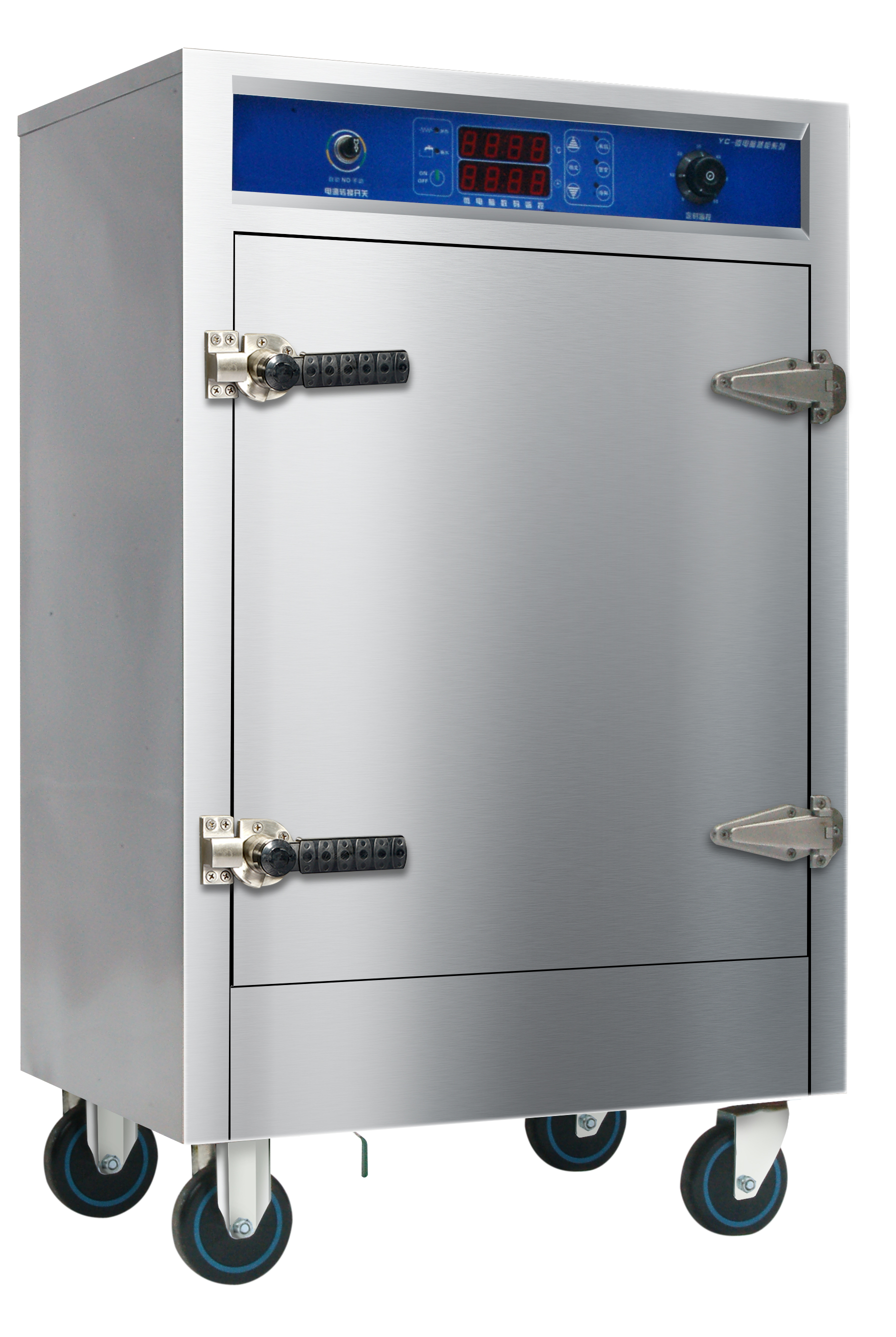
Holding cabinets help maintain food quality and safety between preparation and service. They keep food at safe temperatures while preserving moisture and texture, allowing kitchens to prepare meals in advance during busy periods. Insulated holding cabinets retain heat better, reduce energy use, and improve staff safety compared with non-insulated models. For longer holding times, choose insulated units to maintain consistent food quality.
Utility Carts and Insulated Transport
Utility carts and insulated food carriers help schools transport meals safely and efficiently. Choose carts made from durable materials with strong casters to handle heavy loads and frequent movement across different floor surfaces. For multi-building campuses, insulated carriers help maintain food temperatures during transport without electricity, while airtight seals and stackable designs improve safety, storage, and delivery efficiency.
School Cafeteria Serving Equipment
Steam Tables, Food Wells, and Sneeze Guards
Serving lines directly affect cafeteria efficiency and student flow. Modular hot and cold food wells help maintain proper food temperatures while improving service speed. Auto-fill systems reduce manual work for staff, and sneeze guards provide essential food protection. Choose durable tempered glass shields with adjustable designs to meet the needs of different age groups and ensure long-term use.
Grab-and-Go Merchandisers, Milk Coolers, and Beverage Servers
Speed of service improves dramatically with grab-and-go setups. Open-air coolers and glass-door merchandisers increase student participation rates. Visual access encourages the selection of healthy snacks, salads, and parfaits. These units must feature high-velocity air curtains to maintain safe temperatures in open environments. LED lighting enhances product visibility without adding heat to the refrigerated zone.
Drop-front milk coolers are staple school kitchen equipment items. The drop-front design ensures accessibility for younger students. These coolers must maintain strict temperature stability despite constant door openings. High-capacity beverage servers handle juice and water distribution. Insulated chafing dishes and portable beverage dispensers are also required for faculty catering, PTA meetings, and special after-school events.
School Trays, Smallwares, and Dispensers
High-durability smallwares ensure consistent portion control and reduce waste. Equip staff with color-coded portion-control dishers, high-heat spatulas, and polycarbonate food pans. Standardized tools guarantee that nutritional requirements are met per serving. Polycarbonate pans resist cracking and withstand extreme temperature transitions from the freezer to the microwave.
School trays must survive thousands of wash cycles. Copolymer trays offer excellent break resistance. Polycarbonate trays provide superior durability and faster drying times in commercial dishwashers. Compartment designs keep food items separated. Self-service dispensers for cutlery, napkins, and condiments streamline the checkout line. Spring-loaded dispensers keep items organized and reduce cross-contamination at high-touch points.
Cafeteria Consumables and Eco-Friendly Disposables
Inventory management extends to daily consumables. Front-of-house and back-of-house operations require constant supplies of food prep gloves, hairnets, and sanitizing wipes. Establish par levels for these items to prevent operational halts. Commercial-grade sanitizing chemicals must be matched to the specific requirements of your dishwashing and surface cleaning protocols.
District sustainability goals are shifting procurement toward eco-friendly disposables. Compostable or biodegradable trays, portion cups, and utensils reduce landfill impact. Molded fiber trays offer a rigid, moisture-resistant alternative to traditional polystyrene foam. Evaluate the local waste management infrastructure to ensure compostable items can be processed correctly. Transitioning to sustainable disposables aligns facility operations with broader environmental initiatives.
Dishwashing, Cleaning, and Waste Management Equipment
High-Temp vs. Low-Temp Commercial Dishwashers
Efficient warewashing is essential for keeping school cafeterias running smoothly. High-temperature dishwashers sanitize trays and utensils with hot water, allowing faster drying and reuse, while low-temperature models use chemical sanitizers but require more drying time and ongoing chemical management. Choose dishwasher capacity based on meal volume, with conveyor models suitable for large schools and door-type machines for smaller facilities. Proper ventilation is also necessary to manage steam from high-temperature washing systems.
Three-Compartment Sinks and Grease Interceptors
Manual washing areas remain essential even with automated dishwashers. Three-compartment sinks support the wash, rinse, and sanitizing process for large pots, pans, and oversized equipment, with deep bowls and drainboards improving cleaning efficiency. Grease interceptors help prevent fats, oils, and grease from entering drainage systems. Proper sizing and regular maintenance ensure compliance and reduce the risk of plumbing issues that can disrupt kitchen operations.
Waste Disposal and Recycling Stations
High-volume trash receptacles and tray-return stations manage post-meal waste. Designate clear pathways for students to dump liquids, recycle plastics, and stack trays. Liquid disposal bins prevent trash bags from leaking and tearing. Stainless steel sorting counters withstand heavy daily use and frequent chemical washdowns.
Commercial garbage disposals and pulpers significantly reduce solid waste volume. Pulpers grind food waste and extract the water, reducing the mass by up to 80%. This lowers municipal hauling costs and reduces the frequency of dumpster pickups. Heavy-duty disposals must feature reversing motors to clear jams automatically. Proper waste management infrastructure keeps the facility clean and compliant.
Conclusion
Audit your current kitchen inventory to identify aging units, measure physical constraints, and document workflow bottlenecks.
Cross-reference your proposed School Canteen Kitchen Equipment list with local health codes to verify NSF and sanitation compliance.
Schedule an on-site survey with a commercial kitchen contractor to verify electrical phases, plumbing rough-ins, and doorway clearances.
Request comprehensive vendor quotes that explicitly include freight delivery, professional installation, and the removal of legacy equipment.
FAQ
Q: What is the most important equipment in a school cafeteria?
A: High-volume cooking and holding equipment are the most vital assets. Combi ovens and heavy-duty convection ovens handle rapid batch cooking for hundreds of students. Heated holding cabinets are equally important, as they bridge the gap between preparation and service, ensuring food remains at safe temperatures during the lunch rush.
Q: How long should commercial school kitchen equipment last?
A: Commercial kitchen equipment typically lasts between 10 and 15 years. This lifespan depends heavily on consistent preventative maintenance. Regular tasks like deliming steamers, cleaning condenser coils, and executing seasonal deep cleaning protocols significantly extend the operational life of heavy-duty assets.
Q: What are the standard dimensions for cafeteria serving lines?
A: Standard serving lines are modular, typically built in sections ranging from 36 to 74 inches long. Standard counter height is 34 to 36 inches. Elementary schools often require lower heights for accessibility. All serving lines must maintain ADA compliance, ensuring proper reach ranges for all students and staff.
Q: How do I choose between a high-temp and low-temp dishwasher for a school?
A: High-temp dishwashers use more energy to heat water to 180°F, but they dry trays instantly and leave no chemical residue. Low-temp machines use less energy but require ongoing chemical sanitizer purchases and result in longer drying times, which can slow down high-volume operations.
Q: What are the NSF requirements for school canteen kitchen equipment?
A: NSF standards require that all food-contact surfaces be smooth, non-porous, and easily cleanable. Equipment must be constructed from approved materials, typically 300-series stainless steel or food-grade polymers. Designs must eliminate sharp internal corners and crevices where bacteria can hide, ensuring rapid and effective sanitation.
Today,we are proud to offer over 5,000 types of food machinery, including kitchen equipment, bakery equipment, and hospitality products. We are particularly prominent in the field of refrigeration, such as flast freezers, coolers, ice makers, etc. We often provide quality engineered equipment for restaurants, bakeries, schools, hotels, companies and other projects, and have received rave reviews from our customers.
CONTACT US
+86-137-2686-2678 +86-137-6077-3620 ivy@cnglead.com.cn Buliding 101, No.44 Fuxing Road, Shawan Street, PanYu District, Guangzhou City, Guangdong Province, China